

Blogs
Home
📋 Table of Contents
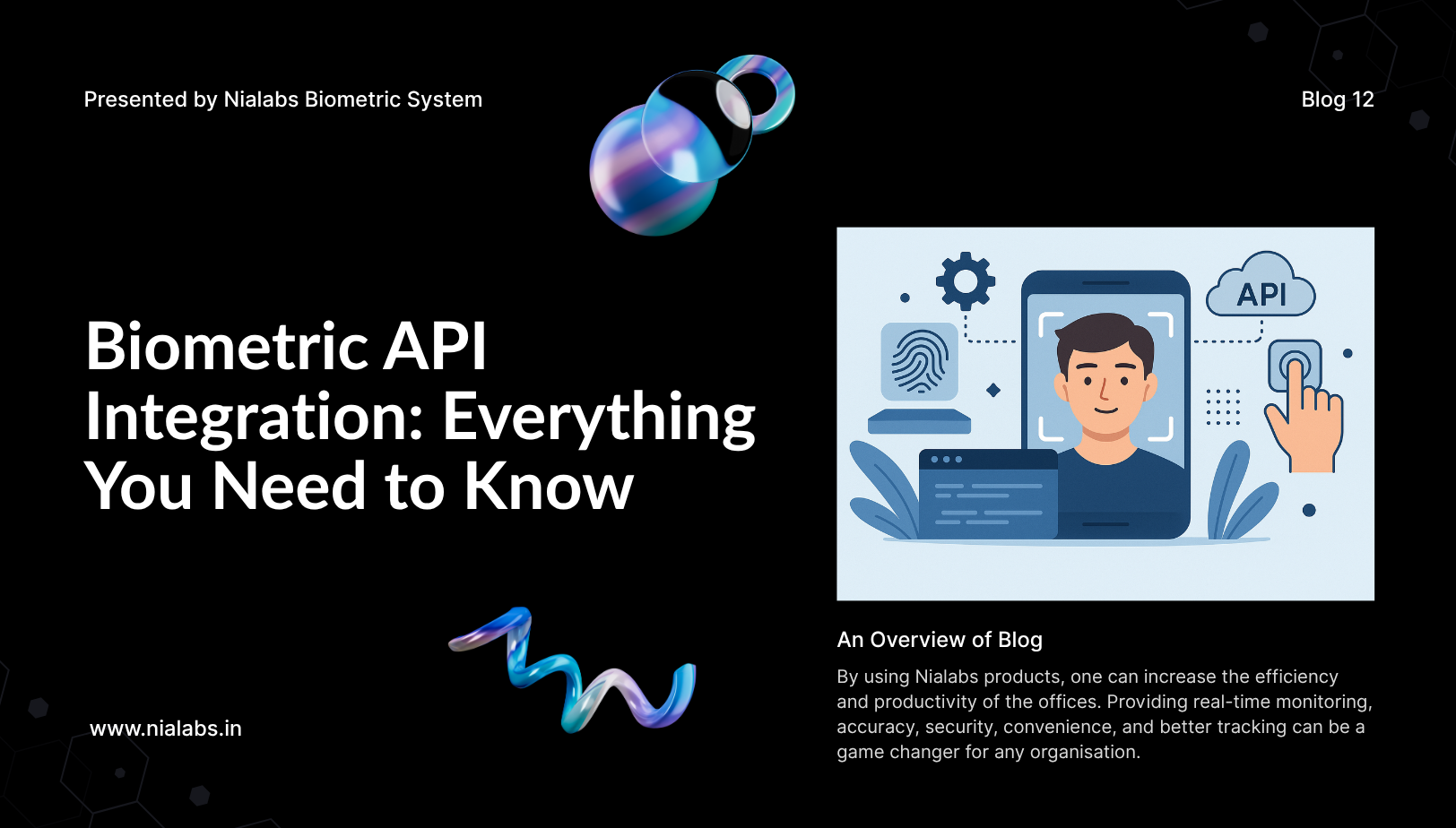
Biometric API Integration: All You Need to Know
11 Nov, 2025
In the modern day, the digital life has become so fast-moving that the biometric technology based on its authentication, security, and identity verification is considered to be the most reliable in the digital world. From opening up smartphones, tracking employee attendance, and controlling access at school or work to now even boarding airplanes, biometrics are everywhere.
Nevertheless, the true strength of biometric systems is not only in the hardware but also in the fact that they can be easily integrated with in-use software via APIs. This integration enables businesses and institutions to automate processes, improve user experiences, and secure their systems without necessarily redesigning their systems.
In this blog, we are going to discuss the meaning of biometric API integration, the working principle, the advantages of API integration, and how this can be used effectively by organizations.
What is a Biometric API?
A Biometric API is the connecting software, or interface layer, between the hardware (fingerprint reader, facial recognition camera, iris scanner, etc.) and your applications.
At its core, this is all about enabling the different systems to talk to one another, so your application can securely capture, validate, and store biometric data in the form of fingerprints, facial images, or voice recognition.
Rather than operating biometric data manually, APIs do all the technical work, which is why it is now possible to integrate biometric capabilities directly with the apps you already use, like HR management databases, school ERP databases, attendance portals, or security dashboards.
How Biometric API Integration Works
Biometric integration with your software is either embedded within the biometric device SDK or cloud service to your software or system, invoking API calls directly to the SDK or cloud. So, to start with, here's a very simplistic explanation of the process:
-
Registration:
During registration, users provide biometric data (fingerprint/face scan), which is encrypted and saved in a secure database.
-
Communication with API:
The biometric device transmits or receives data via the API. The API standardizes this communication, and you can use it on your existing platform.
-
Verification/Authentication:
As the user stands in front of the system, the API captures the biometric, matches it against the stored templates, and authenticates it.
-
Integration with Core Systems:
Upon a successful authentication, the API may forward pertinent details such as time of day, attendance, authorization, etc., to your main application.
With this complementary technology integration, device communication with your platform is real-time, ensuring the fastest delivery of device communication you can have and with the utmost reliability."
Key Benefits of Biometric API Integration
-
Seamless Automation:
Attendance, access control, and identity verification can be completed through absolute automation. Without any need for manual record keeping or data entry, it saves hours in administrative time.
-
Enhanced Security:
In APIs, biometric data is relayed and placed in a safe and secure place using approved encryption techniques. This reduces the chances of fraud and malicious access to information.
-
Scalability:
A strong biometric API can link devices across locations, whether you have one location or several branches, so they all can be administered centrally.
-
Real-Time Data Sync:
The data gathered by biometric systems feeds directly into the main system so that reports and analytics are accurate in real-time.
-
Cost-Effective:
Rather than building biometric systems from the ground up, organizations can integrate APIs to reuse existing systems for a significant reduction in deployment costs.
Types of Biometric APIs
Biometric APIs may be of various types, depending on the needs of the technology and integration requirements:
-
Fingerprint Recognition APIs: To capture and authenticate fingerprints.
-
Facial Recognition APIs: To support contactless authentication based on facial patterns.
-
Iris or Retina Scan APIs: It is applied in very high security setups.
-
Voice Recognition APIs: To identify voice-based verification.
-
Multi-Mode APIs: Combine two or more biometric modalities for higher security (e.g., fingerprint+face).
Challenges in Integrating Biometric APIs
While the benefits are tremendous, the integration can also present a few challenges:
-
Compliance With Regulations for Data Privacy:
Processing of biometric data must adhere to applicable laws and regulations, e.g., the GDPR or India’s DPDP Act.
-
Device Compatibility:
A few biometric devices come with their own SDKs or communication protocols.
-
Latency Issues:
Insecure connections or poorly designed API calls could lead to delays while authenticating.
-
Security Risks:
API endpoints can be accessed without authorization unless they are coded correctly.
The choice of a reliable vendor of biometric technologies will help to overcome these issues.
Simplification of Biometric API Integration with Nialabs
At Nialabs, we have focused on intelligent biometric solutions that are easily integrated into your existing systems. We have made our biometric software API fast, scalable, and secure, be it in schools, enterprises, or government institutions.
Nialabs provides organizations with the ability to add biometric functionality without technical complexity, with ready-to-use APIs, and with strong documentation and dedicated technical support. Our solutions will help you automate the attendance process, access control, and authentication process of various devices easily.
Conclusion:
The biometric API is no longer a feature of the future but a requirement of every organization that is working to make its operations more secure and efficient, as well as digitally transformed. You can open the doors to an unlimited number of opportunities with the assistance of a sound API, whereby you can integrate biometric devices into your existing systems to achieve quicker work, secure authentication, and real-time visibility.
By being further ahead of the curve with enhanced solutions of Nialabs biometric integration, organizations can be assured of making a wise and secure digital leap into the future.
✍️ Muskan Singh
Hi, I'm Muskan Singh, a content writer passionate about exploring how technology, EdTech, and SaaS are shaping the...
Show More📞 Get In Touch
We'd Love to Hear From You!
✍️ Muskan Singh
Hi, I'm Muskan Singh, a content writer passionate about exploring how technology, EdTech, and SaaS are shaping the...
Show More📞 Get In Touch
We'd Love to Hear From You!
Related Blogs
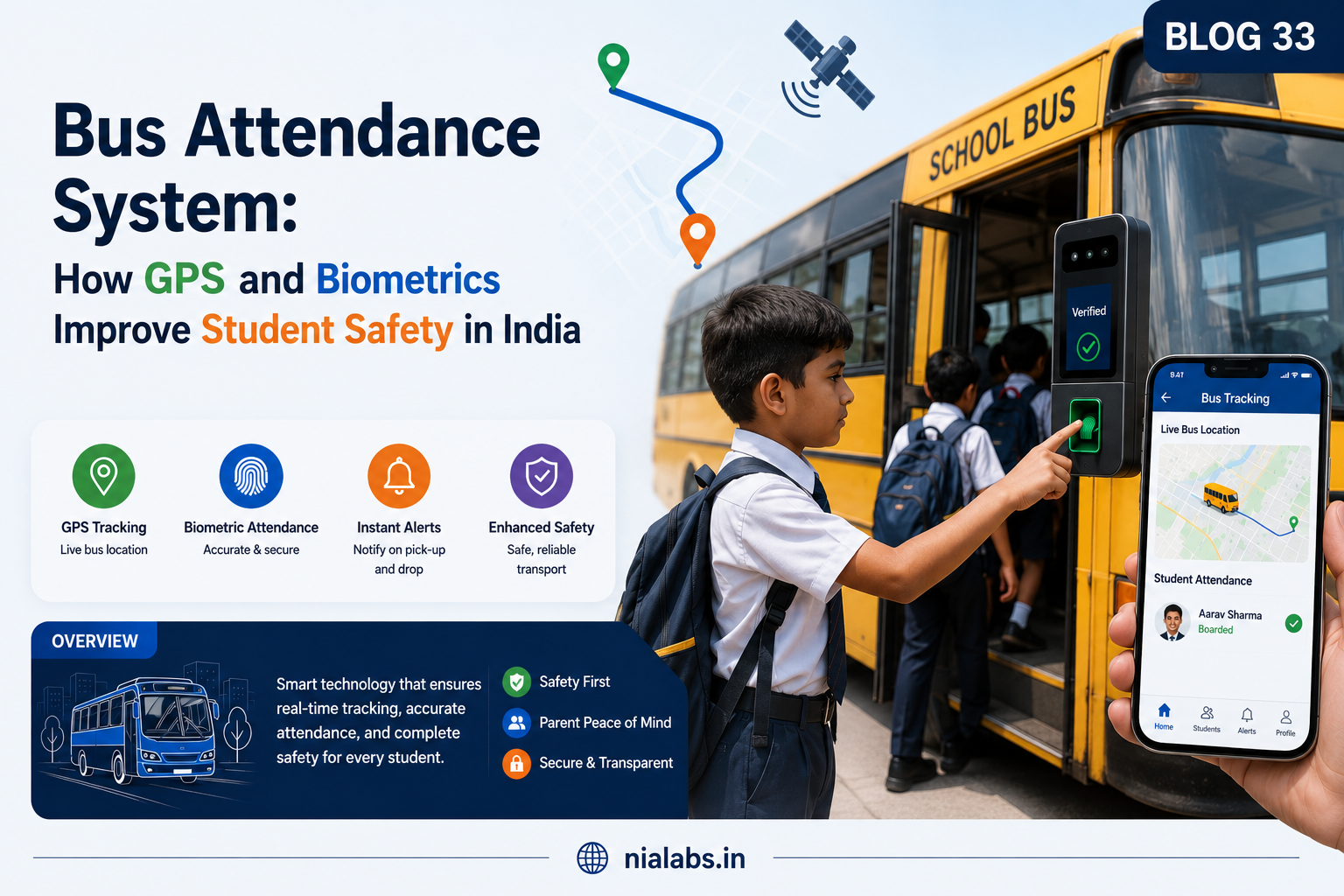
Bus Attendance System: How GPS and Biometrics Improve Student Safety in India
Student safety has become a top priority for schools and parents across India. Modern Bus Attendance Systems powered by GPS tracking and biometric technology are transforming school transportation by ensuring accurate attendance, live bus monitoring, and instant alerts for parents.
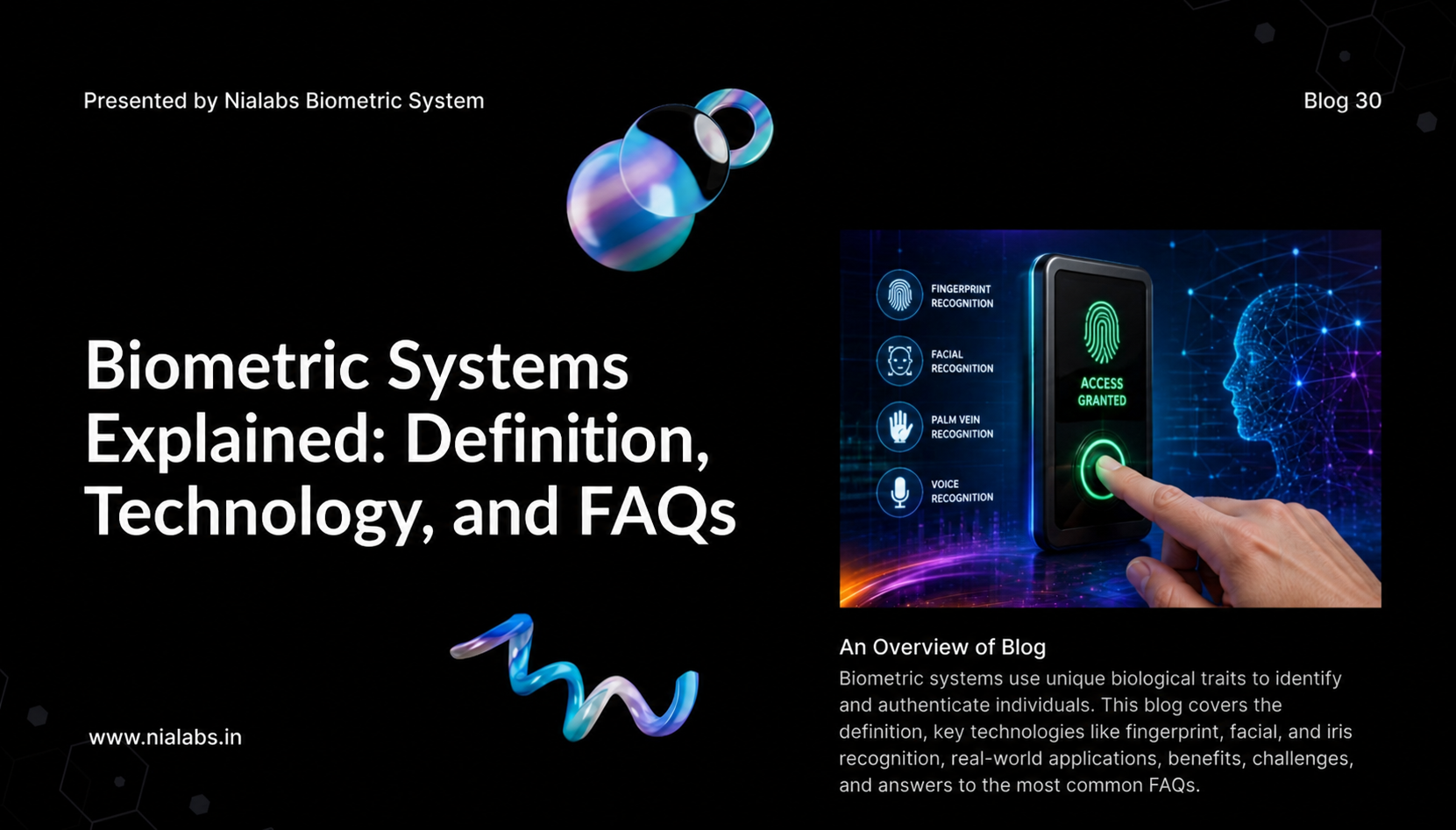
Biometric Systems Explained: Definition, Technology, and FAQs
Biometric systems use unique physical and behavioral traits like fingerprints, facial features, and iris patterns to accurately identify and verify individuals. They are widely used across government, business, and everyday applications to enhance security, reduce fraud, and enable fast, reliable authentication.
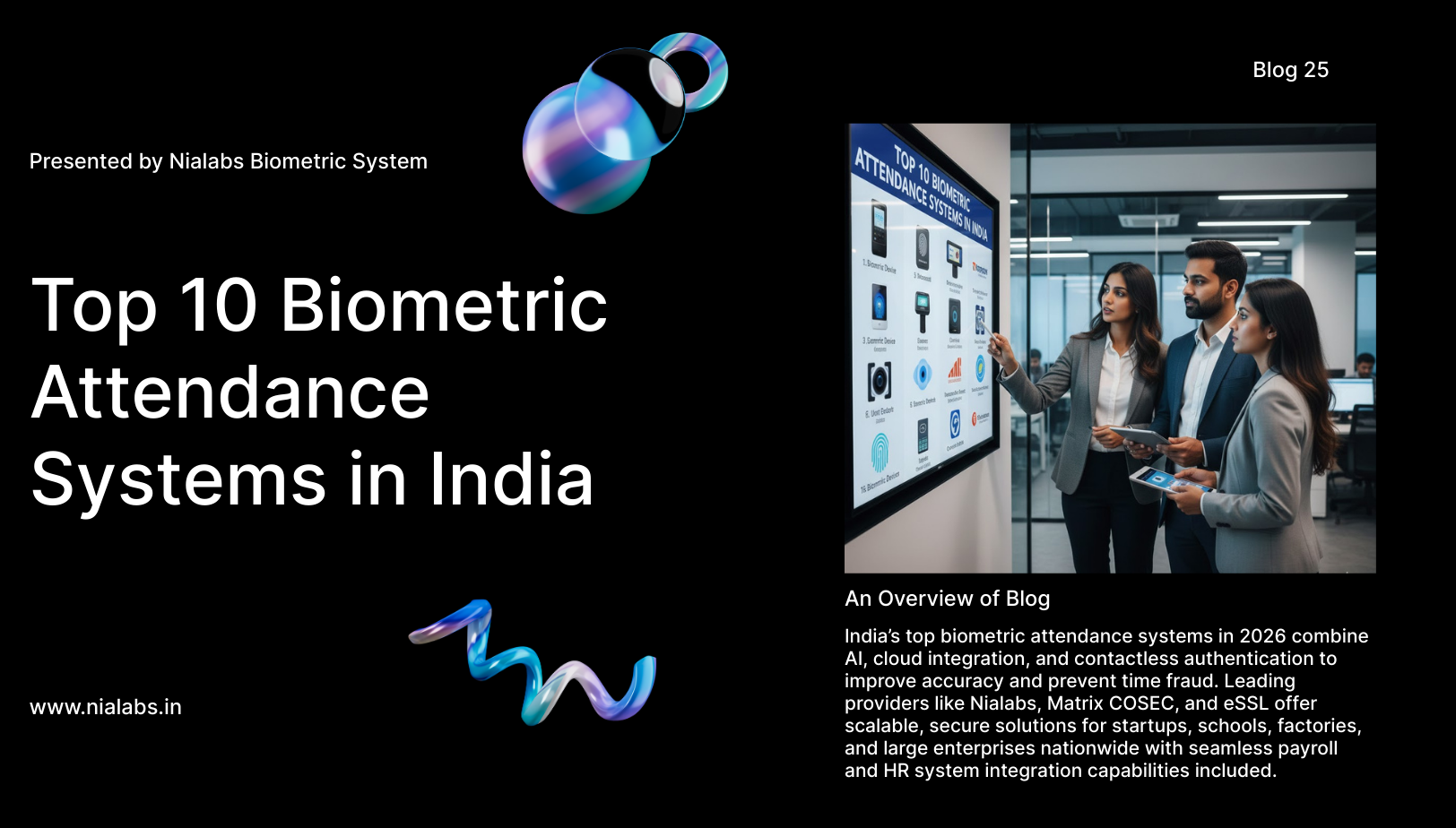
Top 10 Biometric Attendance Systems in India 2026
top 10 biometric attendance systems in India for 2026. Compare AI-based, cloud-enabled, and contactless solutions designed to improve accuracy, prevent time fraud, and streamline payroll and HR management for businesses of all sizes.