

Blogs
Home
Attendance Machine in Mumbai Biometric & Face Attendance Machine
Nialabs offers fingerprint and face recognition attendance machines in Mumbai with installation, HRMS integration, payroll support, and expert assistance.
Attendance Machine in Bangalore | Face & Biometric Attendance System Karnataka
Nialabs provides biometric, face recognition, and RFID attendance machines in Bangalore to help businesses manage attendance accurately, automate payroll integration, and enhance workplace security with reliable local support across Karnataka.
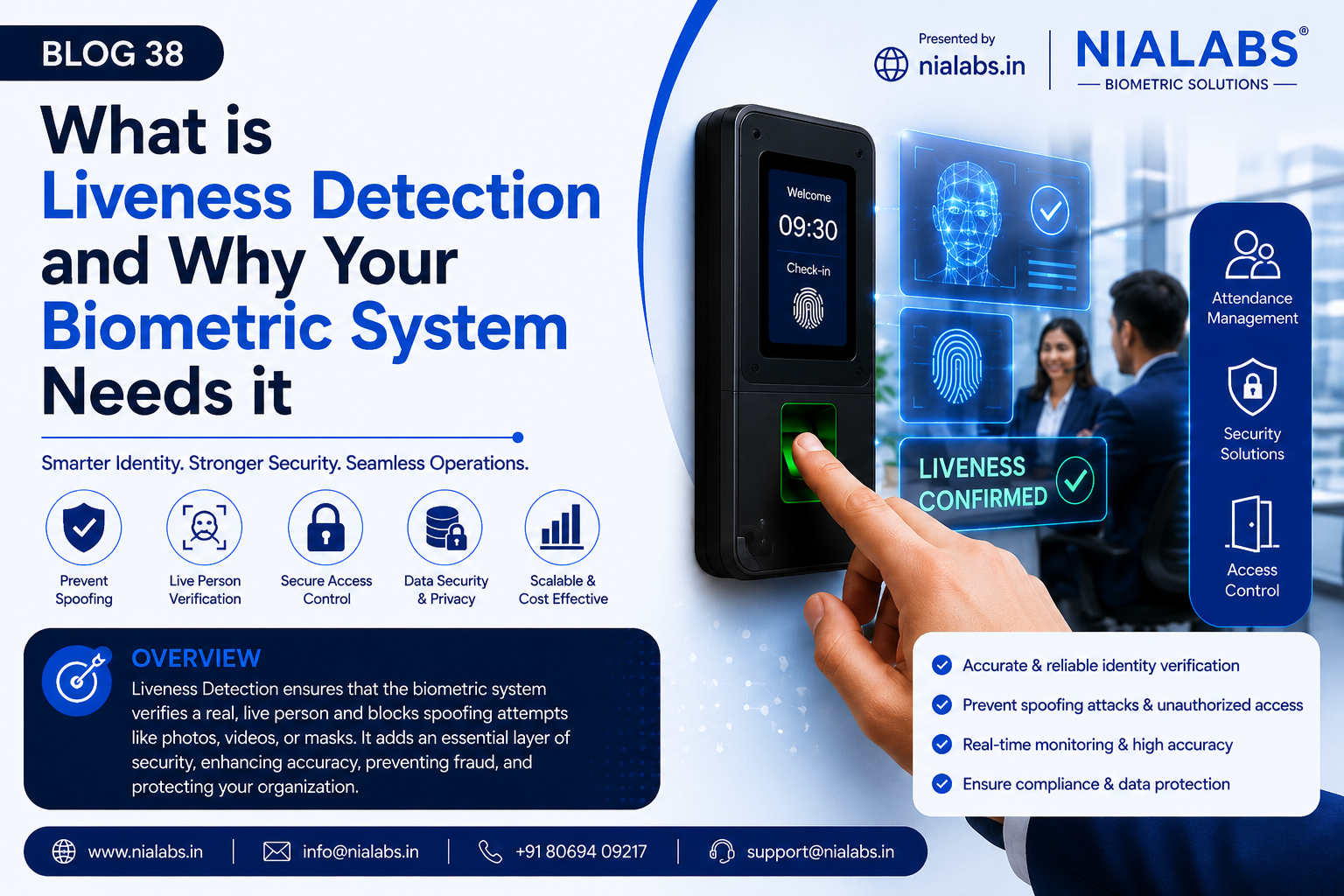
What is Liveness Detection and Why Your Biometric System Needs it
Liveness Detection is a security mechanism used to verify that a biometric image (of a face, fingerprint, or iris) is of a live human being and not a static image, such as a photograph, video, or plastic imitation. It is essential that all organizations, now implementing a biometric system, include liveness detection as a key security component.
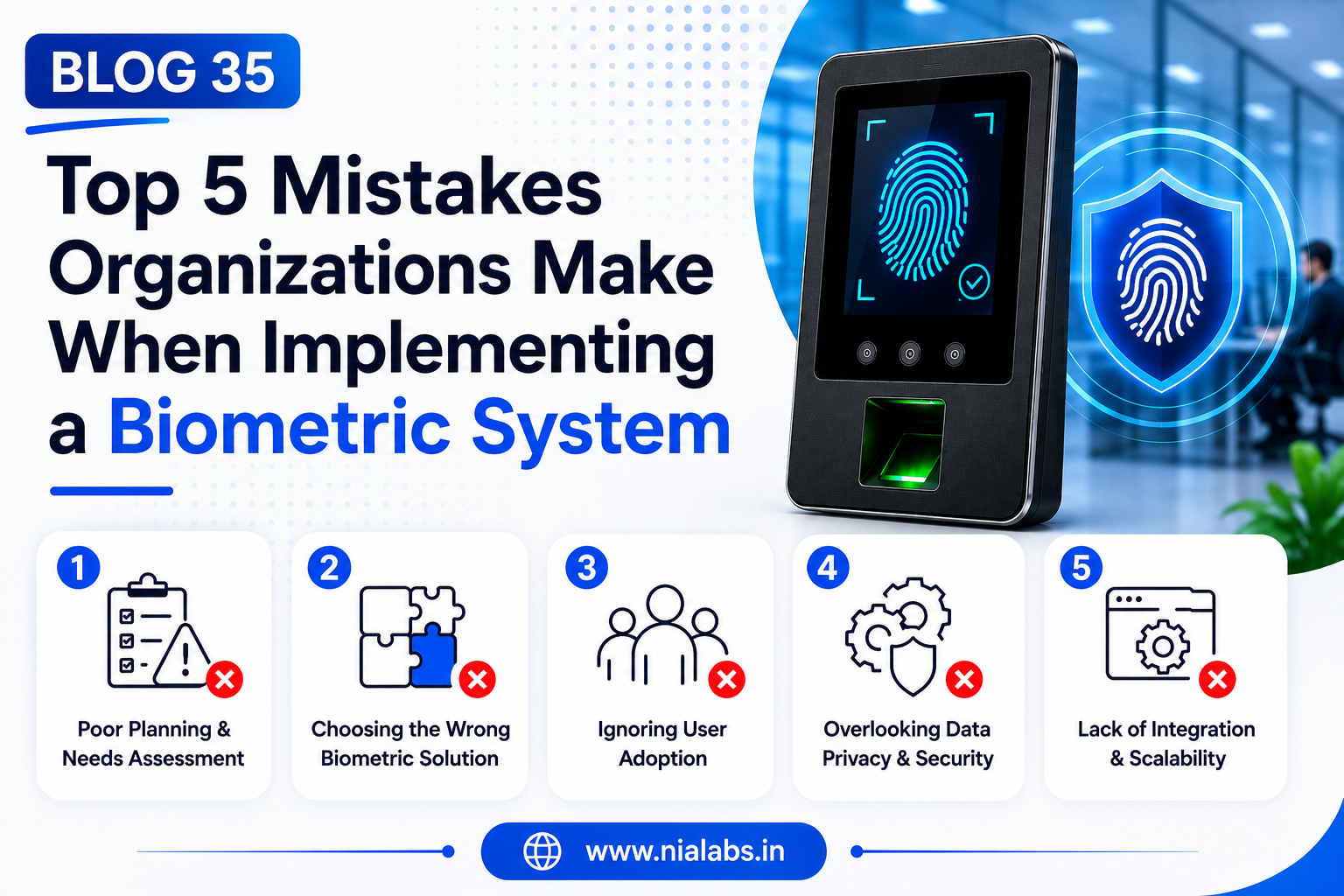
Top 5 Mistakes Organizations Make When Implementing a Biometric System
the top 5 mistakes organizations make when implementing biometric systems, including poor planning, security risks, and integration challenges. Learn how to choose the right biometric solution for your business.
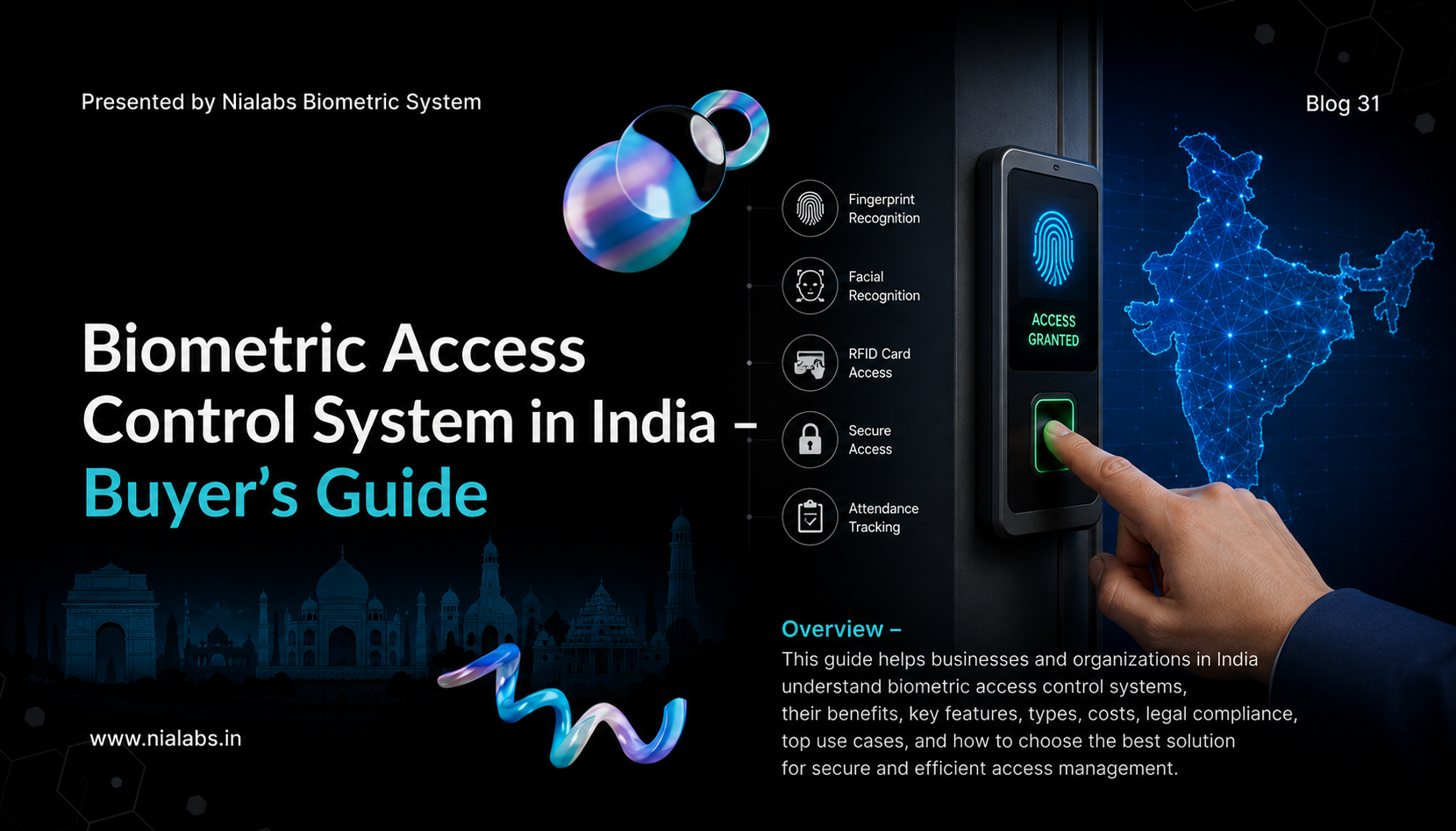
Top Biometric Access Control System in India – Buyer’s Guide
This buyer’s guide explains how biometric access control systems are transforming security and attendance management in India. It covers different authentication technologies such as fingerprint, facial recognition, RFID integration, and mobile-based access, along with key features, pricing factors, compliance considerations, installation tips, and industry-specific use cases to help businesses choose the right secure access solution.
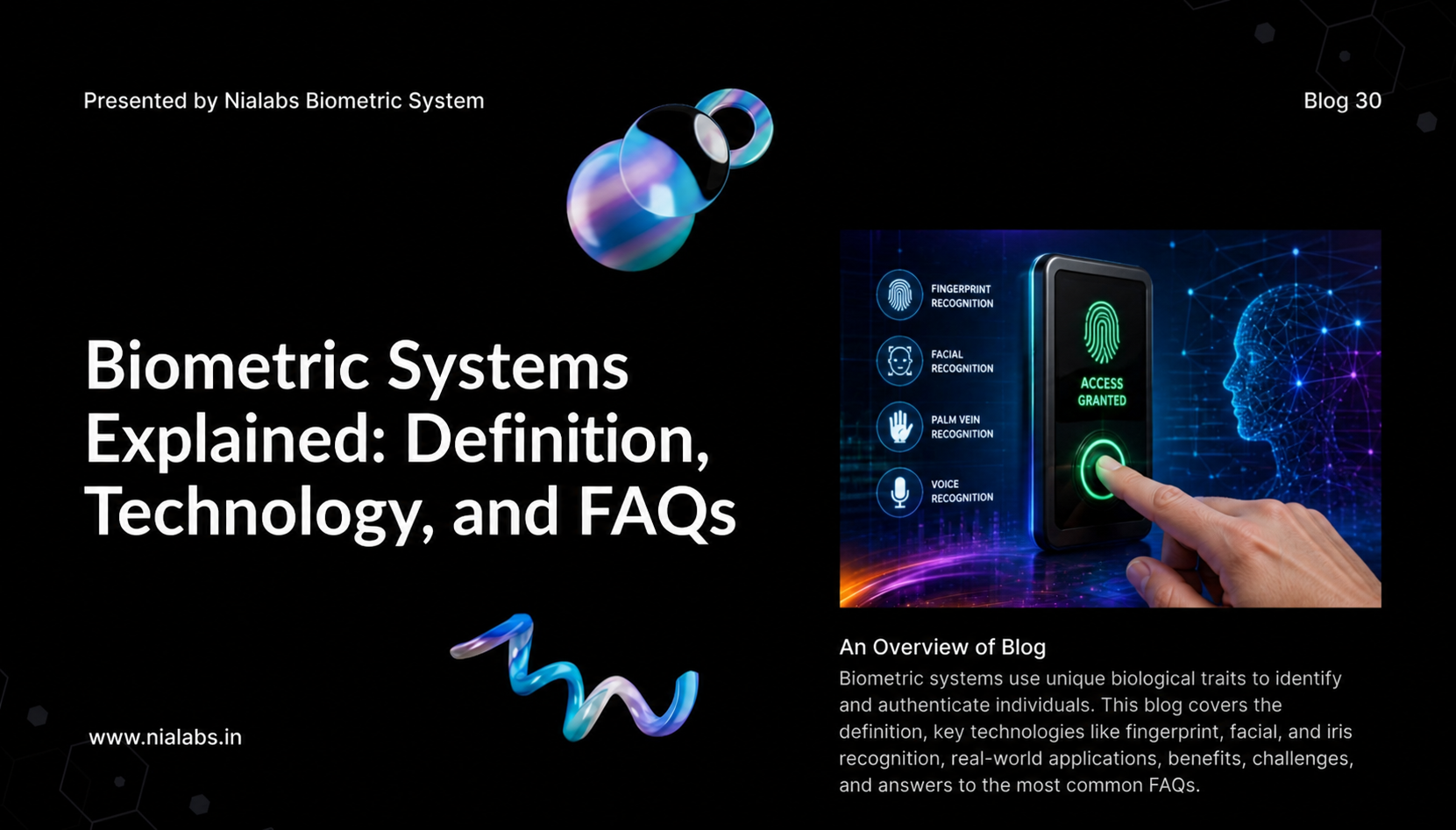
Biometric Systems Explained: Definition, Technology, and FAQs
Biometric systems use unique physical and behavioral traits like fingerprints, facial features, and iris patterns to accurately identify and verify individuals. They are widely used across government, business, and everyday applications to enhance security, reduce fraud, and enable fast, reliable authentication.
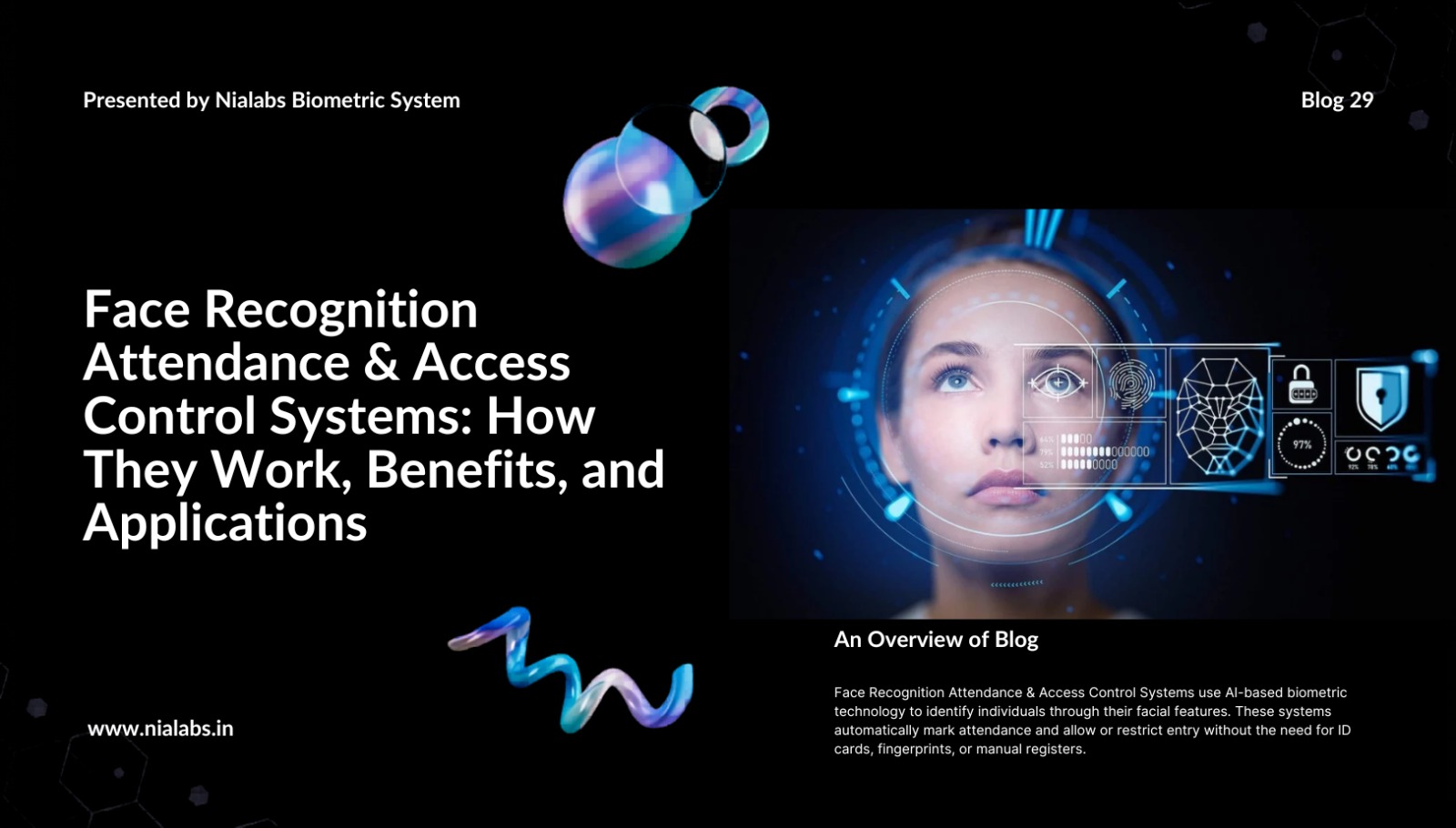
Face Recognition Attendance & Access Control Systems: How They Work, Benefits, and Applications
AI-powered face recognition attendance systems improve workplace security, enable contactless attendance, prevent proxy entries, and streamline access control across industries.
Top 10 Biometric Device Manufacturers in India
Biometrics is now the standard for identity verification, attendance monitoring, and access control in India. As companies digitize and workspaces evolve into hybrid and flexible models, the demand for reliable, automated, and secure biometric solutions is on the rise.
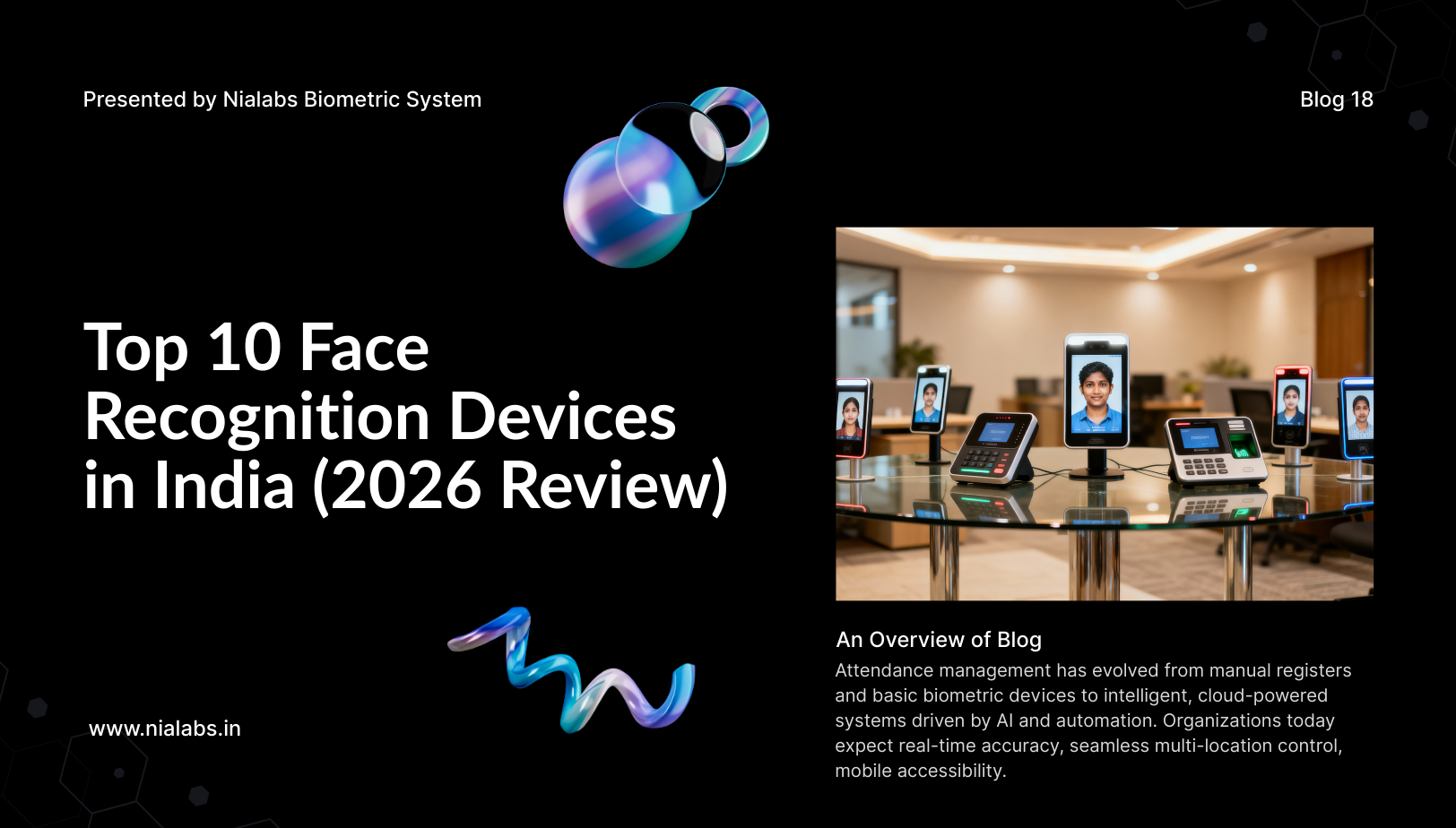
Top 10 Face Recognition Devices in India (2026 Edition)
Face-recognition attendance devices have become extremely popular across schools, offices, and institutions in India. They offer contactless, touch-free attendance, eliminate proxy marking, and deliver fast, accurate, tamper-proof attendance logs - all in real time.
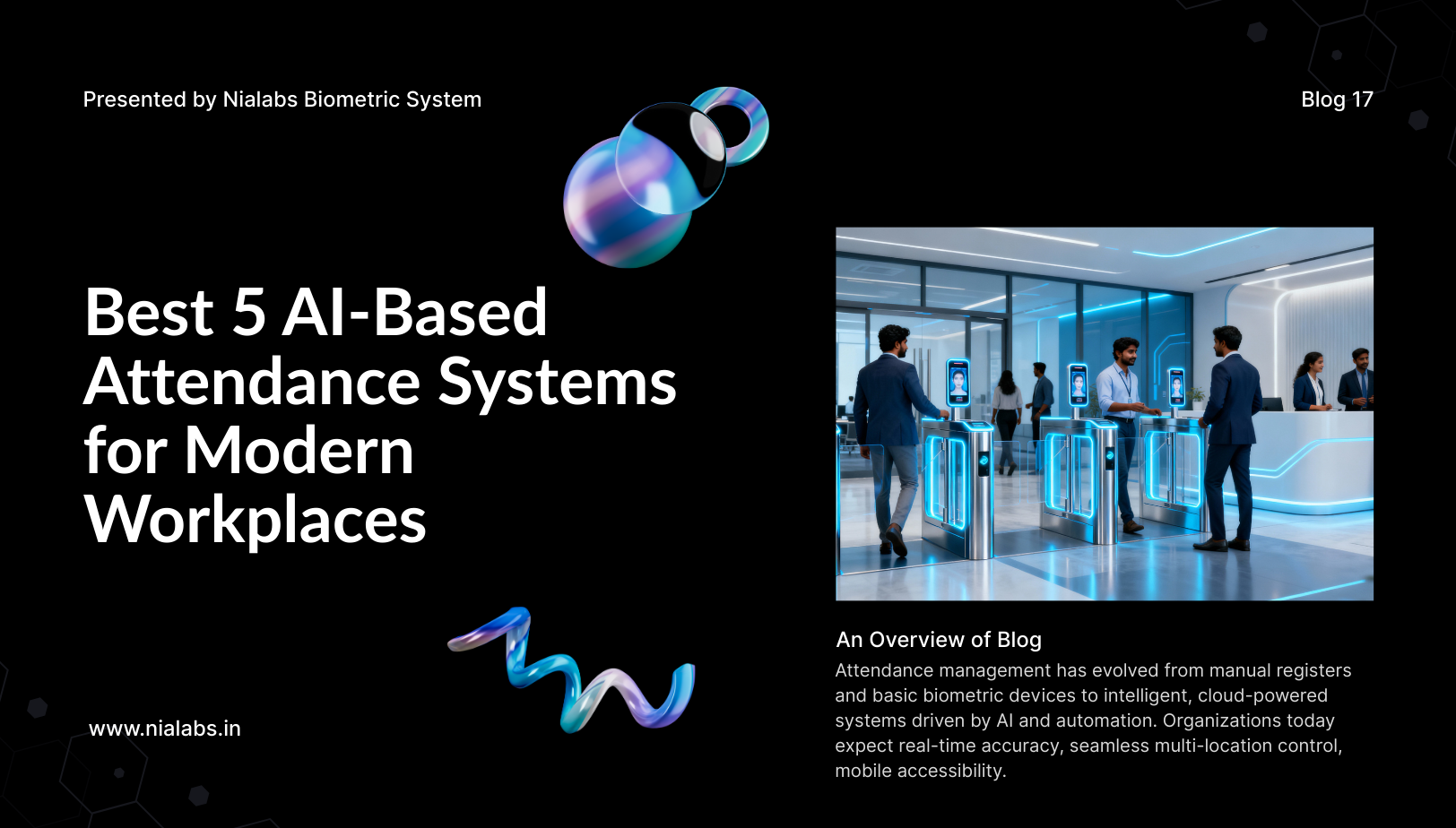
Best 5 AI-Powered Attendance Systems for Modern Workplaces
An AI-powered attendance system uses artificial intelligence and biometric/face recognition (or other biometric methods) to automatically identify employees and mark their attendance—replacing manual registers, swipe cards, or fingerprint scanners.